Tell every customer at once
Post an incident in a minute: customers who subscribed hear it by email, Slack, Teams or SMS, only for the services they follow.
See every channelStatus pages, monitoring and on-call for clouds and hosting providers. Show every customer which region is affected, before the tickets arrive.
20 monitors free. No credit card required.
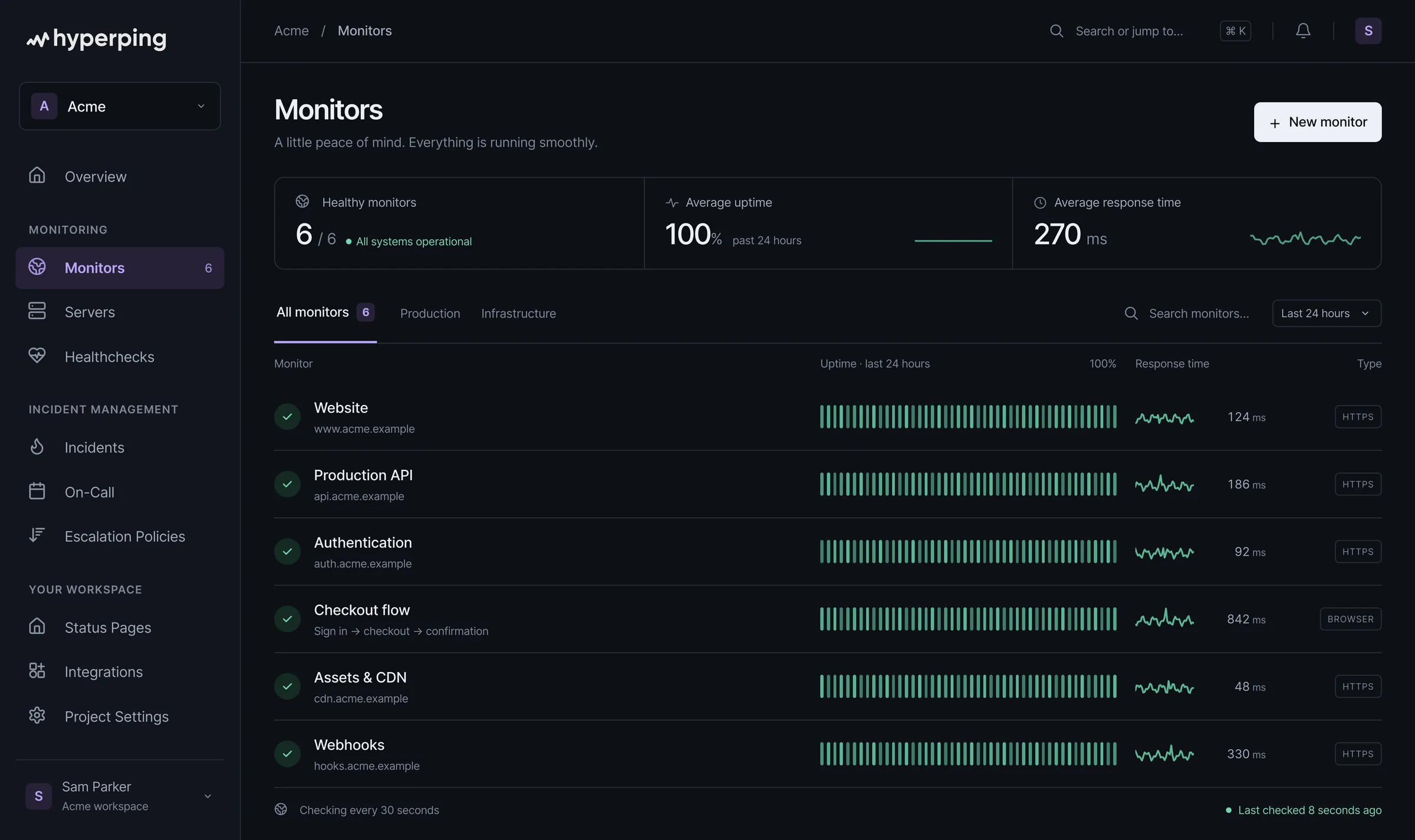
















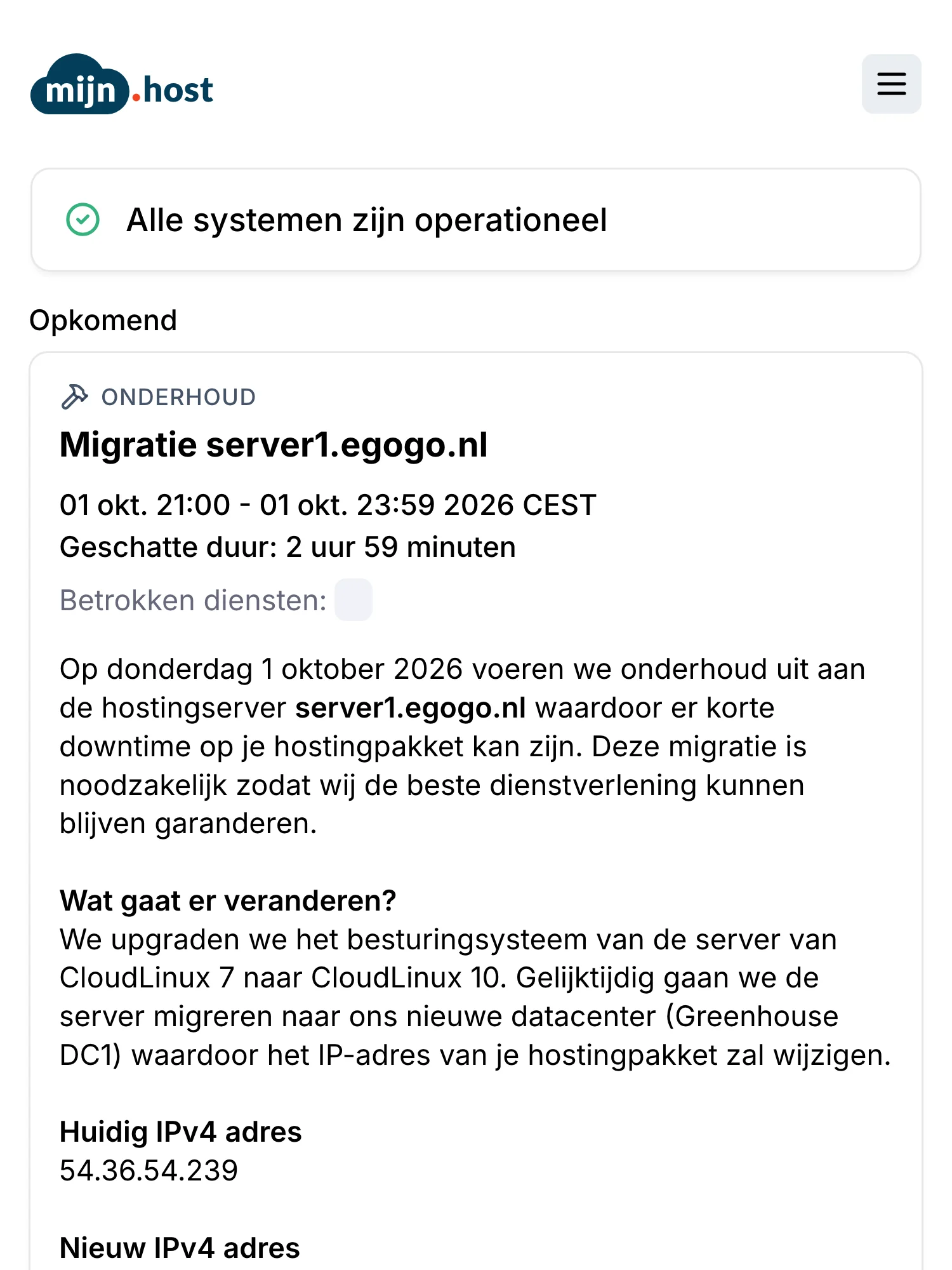
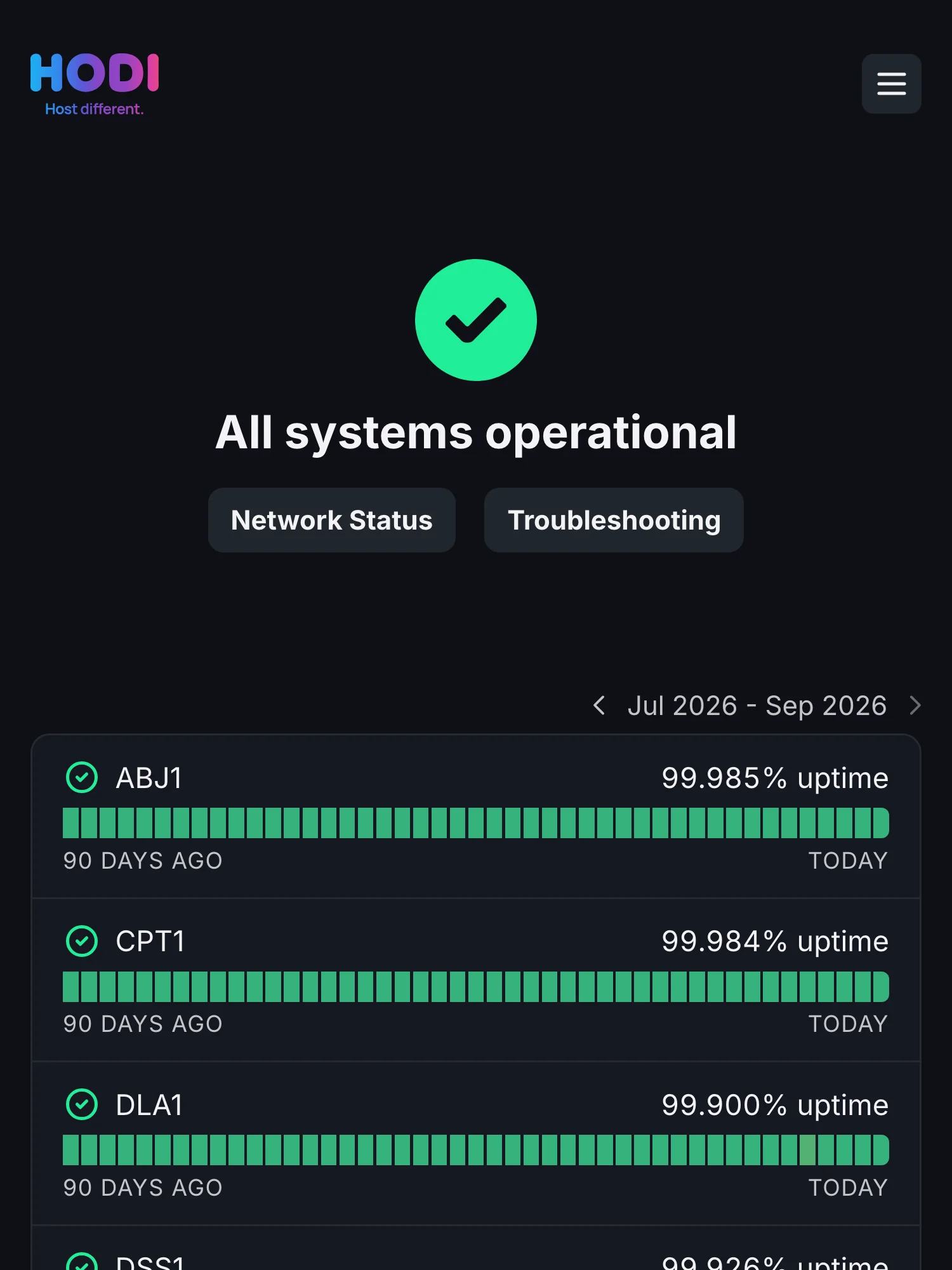
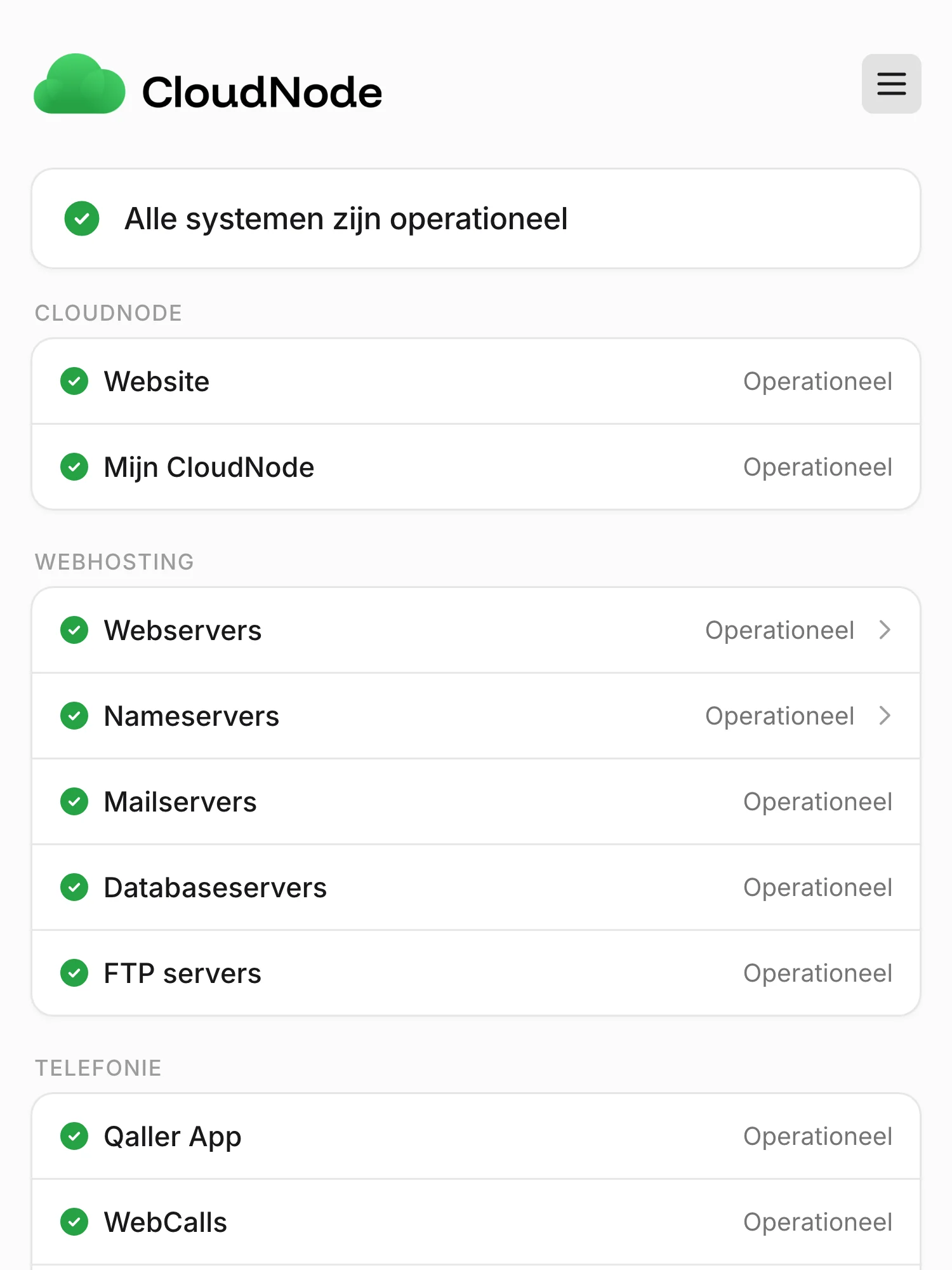
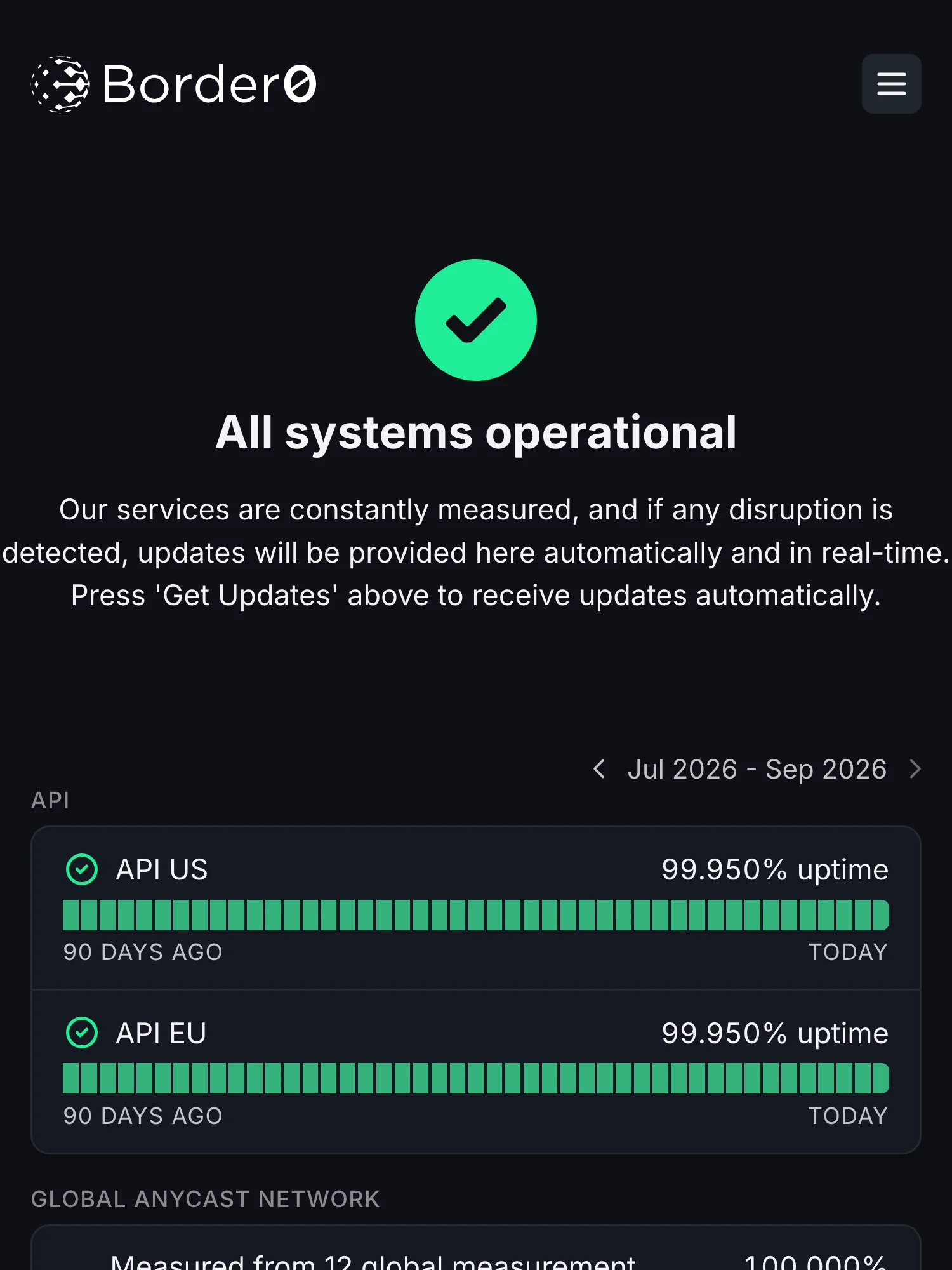
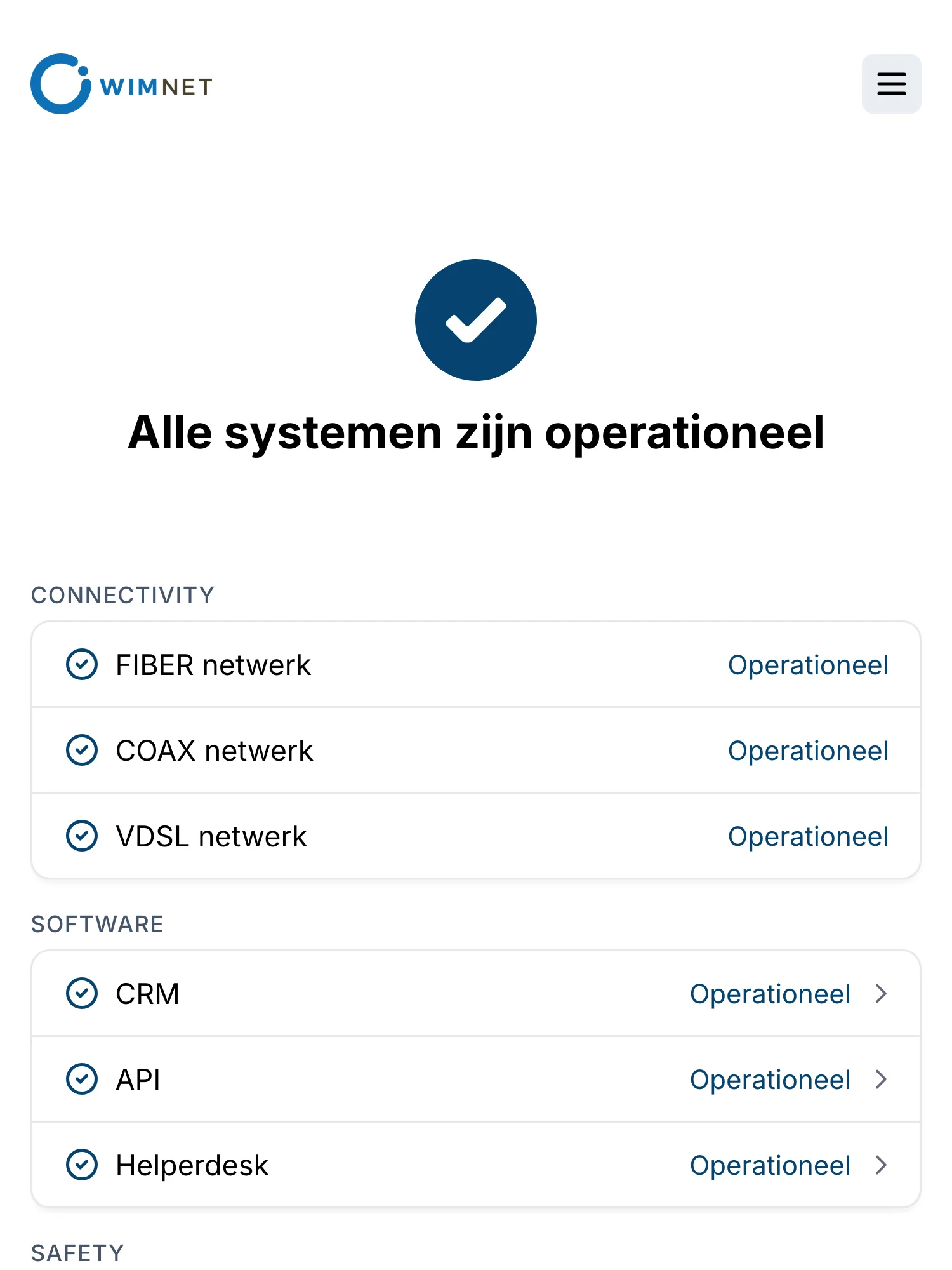
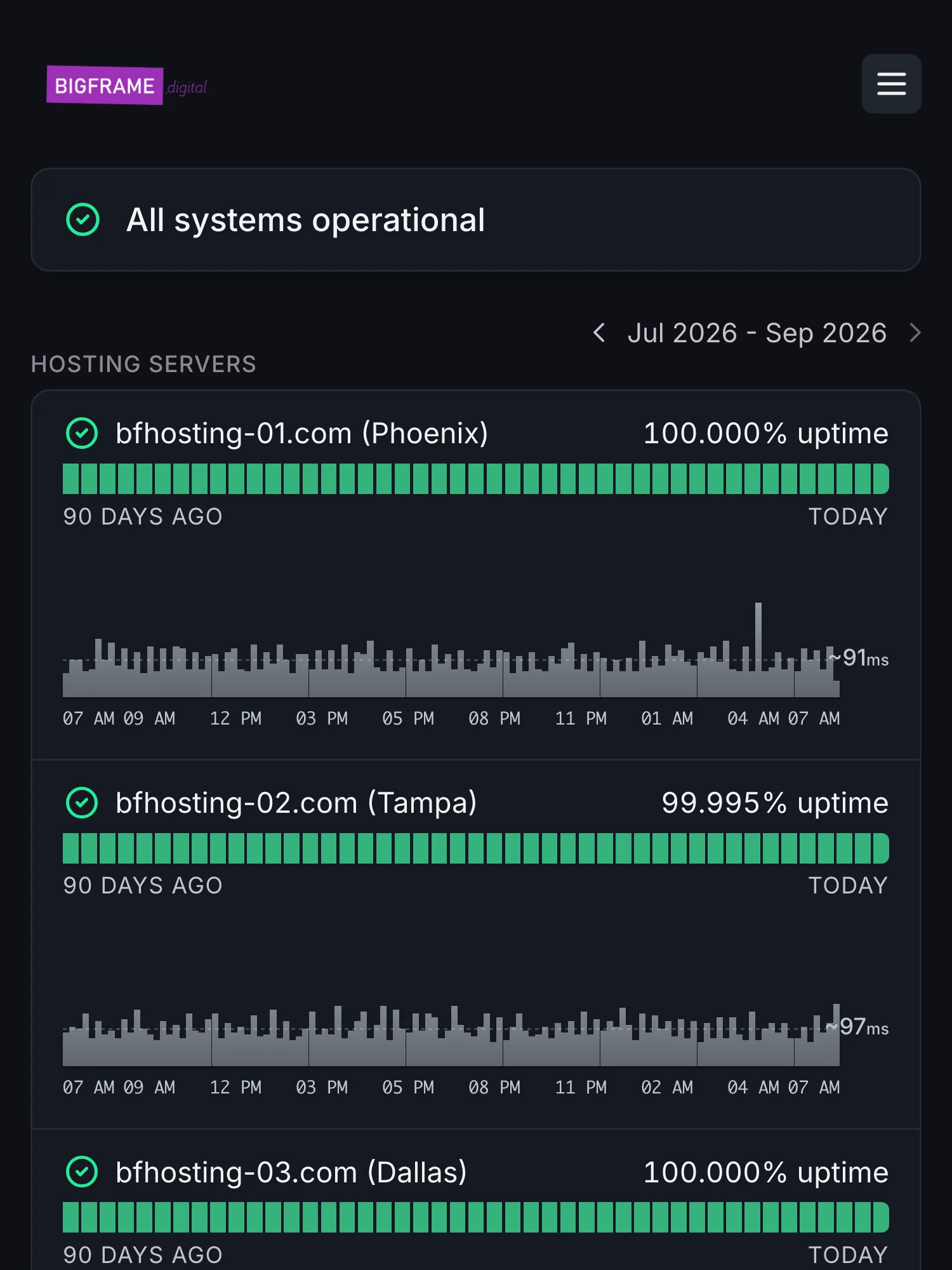
Group your page by region or data center. A confirmed outage opens an incident and marks the affected service down, so customers in AMS1 see at a glance that they’re fine.
Status page sectionsCustomers subscribe by email, Slack, Microsoft Teams or SMS, and can follow only the services they run on. Post once, and only the customers in FRA1 hear about it.
Status page subscribersIncident and maintenance feeds use Statuspage’s formats, and RSS and Atom sit at the same paths, so the aggregators, dashboards and Slack feeds your customers already use keep working.
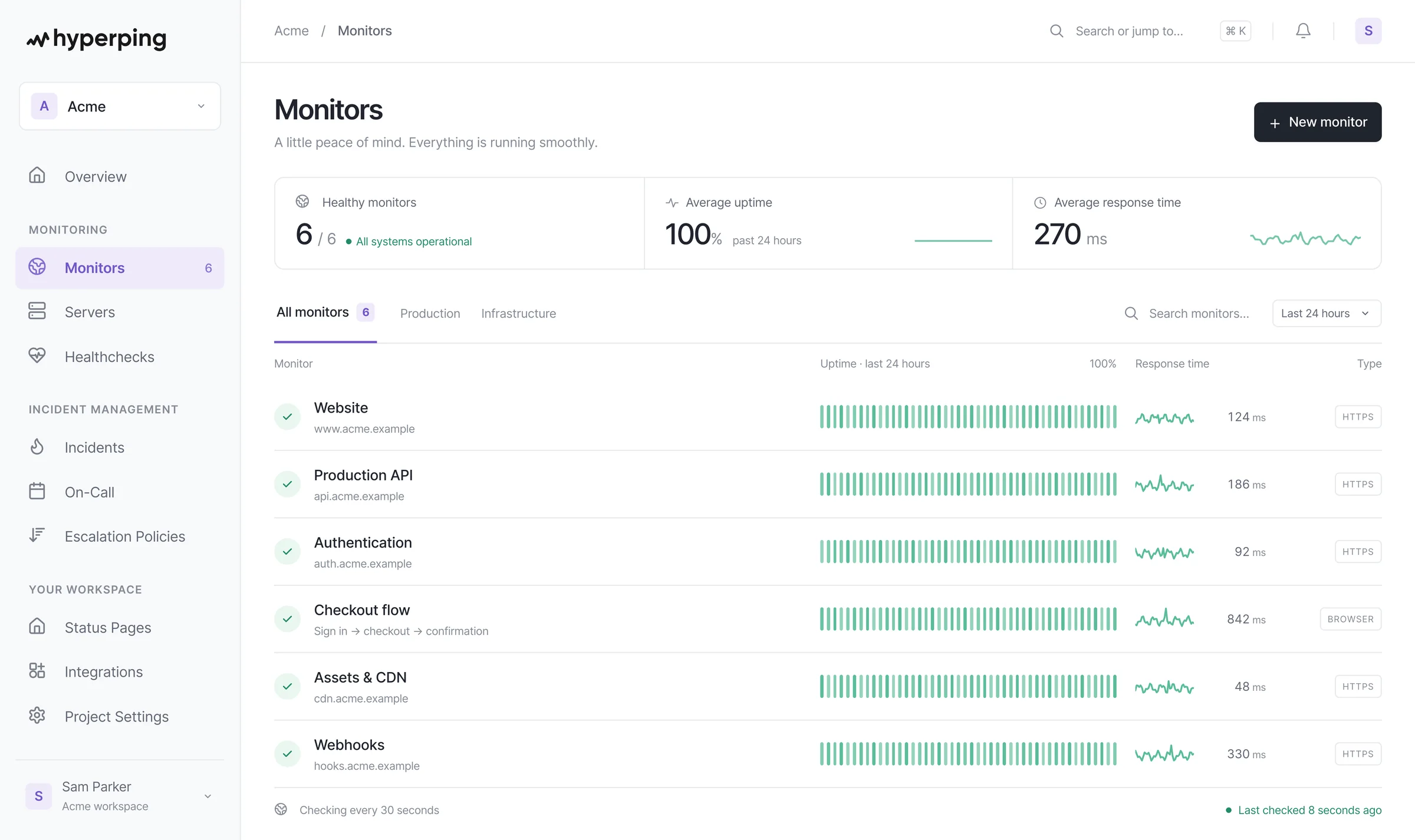
Public status page APIPing checks your hosts and gateways, port checks confirm SMTP, SSH or database ports accept connections, and DNS monitors compare your records with the answer you expect.
Ping and port monitoringEvery HTTPS monitor checks its certificate daily and reminds you before it expires, up to 90 days ahead. Revoked, self-signed, untrusted and mismatched certificates, broken chains and outdated TLS are flagged too.
SSL monitoringSchedule a recurring window once. Each one shows on your status page, pauses the monitors it touches so nobody is paged, and notifies subscribers when you schedule it or ahead of time.
Maintenance windowsLinux, macOS or Windows, on every host or hypervisor. The agent only calls out over HTTPS, so nothing needs opening in your firewall.
Every 30 seconds, per mount point and per interface. 1 agent is free, then 5 on Essentials, 20 on Pro and 100 on Business.
Stale after 30 seconds, Offline after 90 by default: an outage opens and the server’s escalation policy pages whoever is on call.
Post an incident in a minute: customers who subscribed hear it by email, Slack, Teams or SMS, only for the services they follow.
See every channelGive your largest customers a page of their own on your domain: password or email access codes on Pro, Google SSO or SAML SSO on Business.
Explore private status pagesPing on your gateways, port checks on mail and SSH, DNS on your nameservers and certificates on your panel, from 18 regions. Each confirmed outage updates the right component on your page.
Explore uptime monitoringEvery alert is double-checked from at least two other locations before it reaches the tools your team already uses.
 Slack
Slack Microsoft Teams
 Google Chat
 PagerDuty
 Opsgenie
 Jira Service Management
 Discord
 Telegram
 Mobile app
USD · Monthly billing for every plan
Three subscriptions to keep it all running.
$747/month
$8,964 over 12 months
Everything connected, from the first check.
$299/month
$3,588 over 12 monthsSave $5,376 a year with this mix.
Reviewed . All amounts are USD; local currency prices may differ.
This is one example of a three-tool stack, not the cheapest possible setup or a feature-for-feature match. Pingdom and PagerDuty also include status-page features; a separate Statuspage subscription may not be needed by every team. Usage charges and paid connectors are not included. Annual totals are 12 monthly payments, not annual subscription quotes.
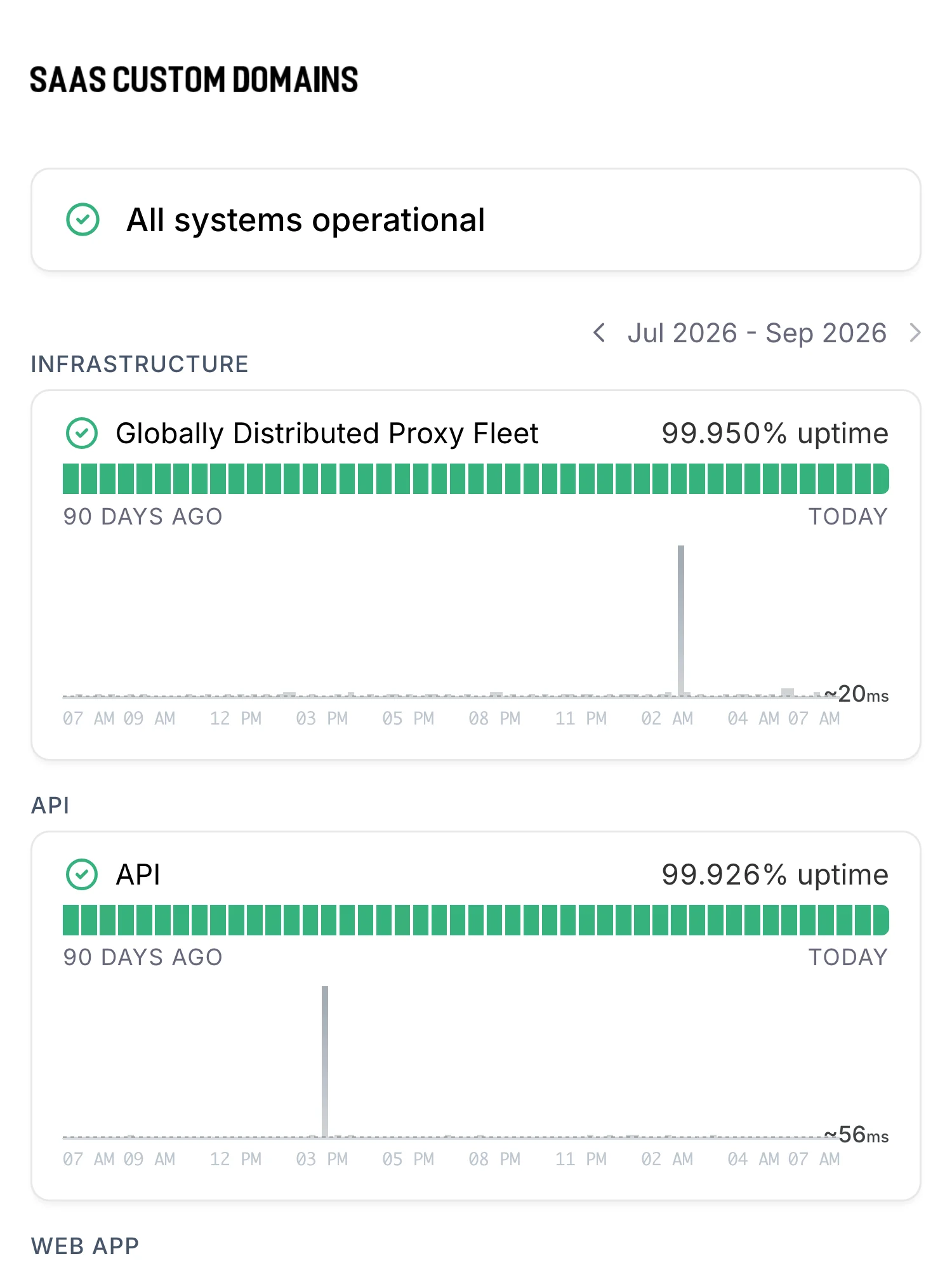
Yes. Split the page into sections and group services inside them, for example one group per region or per data center. A group shows the worst status of the services in it, and each service can show its 90-day uptime and response times.
Yes. Subscribers pick the services they follow and hear only about those, by email, Slack, Microsoft Teams or SMS. Essentials includes 100 subscribers, Pro 1,000 and Business an unlimited number. SMS goes through your own Twilio account, on Pro and up. See subscribers.
Yes. The incident and maintenance feeds of every page use Statuspage’s response formats, and the RSS and Atom feeds sit at the same paths as on Statuspage, so feed readers, aggregators and dashboards keep working. Each page also publishes a status.json for your own scripts. See the public API.
Yes. Ping monitors send an ICMP echo to your hosts and gateways, port monitors open a TCP connection to SMTP, SSH, a database or any other port, and DNS monitors check A, AAAA, MX, NS, TXT and other records against the answer you expect. Ping and port checks are on every plan, DNS monitors on paid plans. See ping and port monitoring.
Checks run from up to 18 regions. When one fails, every other selected region checks again right away, and only a confirmed failure opens an outage and alerts your team. See false positives.
Yes. A maintenance window can repeat weekly or monthly. Each one shows on your status page, pauses the monitors you pick so nobody is paged for planned work, and notifies subscribers when you schedule it or a set time before it starts.
Yes. The server agent runs on Linux, macOS and Windows and reports CPU, memory, disk and network every 30 seconds, over outbound HTTPS only. When a server stops reporting, 90 seconds by default, an outage opens and its escalation policy pages on-call.
Start free with 20 monitors and 1 server agent. Pro adds 250 monitors, 20 agents, 3 status pages, 1,000 subscribers and SMS subscribers. Business adds 1,000 monitors, 100 agents, 20-second checks, 10 status pages, unlimited subscribers and white labeling. Compare every limit on the pricing page.